
This is not another piece about "unique value propositions." It’s an attempt to answer one of the most crucial questions that designers, marketers, and brand leaders are asking today: how can we make our brand truly stand out - and not just on a mood board?
In a world where algorithms generate logos in seconds and websites look like copies from the same component library, brand design is becoming not only an aesthetic challenge but also a strategic one.
It’s no longer just about being “nice” or “legible.” It’s about being remembered.
I’m writing this article for those who have a real impact on how a brand looks, sounds, and behaves. For designers, strategists, product owners, and founders who feel like their brand is starting to fade into the background. For those who want to do things differently but don’t know where to start.
I won’t serve up ready-made solutions here. Instead, I’ll show you how we at fellowheads think about differentiation and how you can turn "being different" into a strategic advantage.
Why is it important?
Brands Are Blending Together. One website looks like the next. Logos are geometric and impersonal. Even briefs increasingly begin with, "Take inspiration from Notion or Airbnb." Meanwhile, the consumer doesn’t want "another pretty thing." They’re looking for meaning. They’re searching for what stands out and resonates.
Barry Schwartz wrote about the "paradox of choice." The more options there are, the more confusion arises. In the face of oversupply, differentiation is no longer an option, but a requirement for survival.
Why do brands end up looking the same?
It’s not just about aesthetics. Global code libraries, template-based thinking, pitch deck templates, and the growing pressure of time have turned design into something akin to a digital product: fast, consistent, and predictable. AI further accelerates this convergence. Models learn from the past, and the past is mostly filled with mediocre things.
Our approach: empathy + process + culture
Let’s return to the fundamentals. Every brand has some potential for “uniqueness.” The question is: can we bring it out and amplify it?
At Fellowheads, we start with the truth. We look for it in the product, experience, price, distribution channel, or social purpose. But finding that truth isn’t enough. We need to filter it through cultural context and the user’s emotions.
At Fellowheads, we don’t design for founders or an "Excel target." We design for people. We listen, have conversations, analyze data, but we always return to the emotions: What does the user feel? What hurts them? What moves them?
For us, branding is about co-creating meaning. Strategy isn’t a brief. It’s a conversation, an exchange, building a brand image that can then be translated into design, communication, and experience.
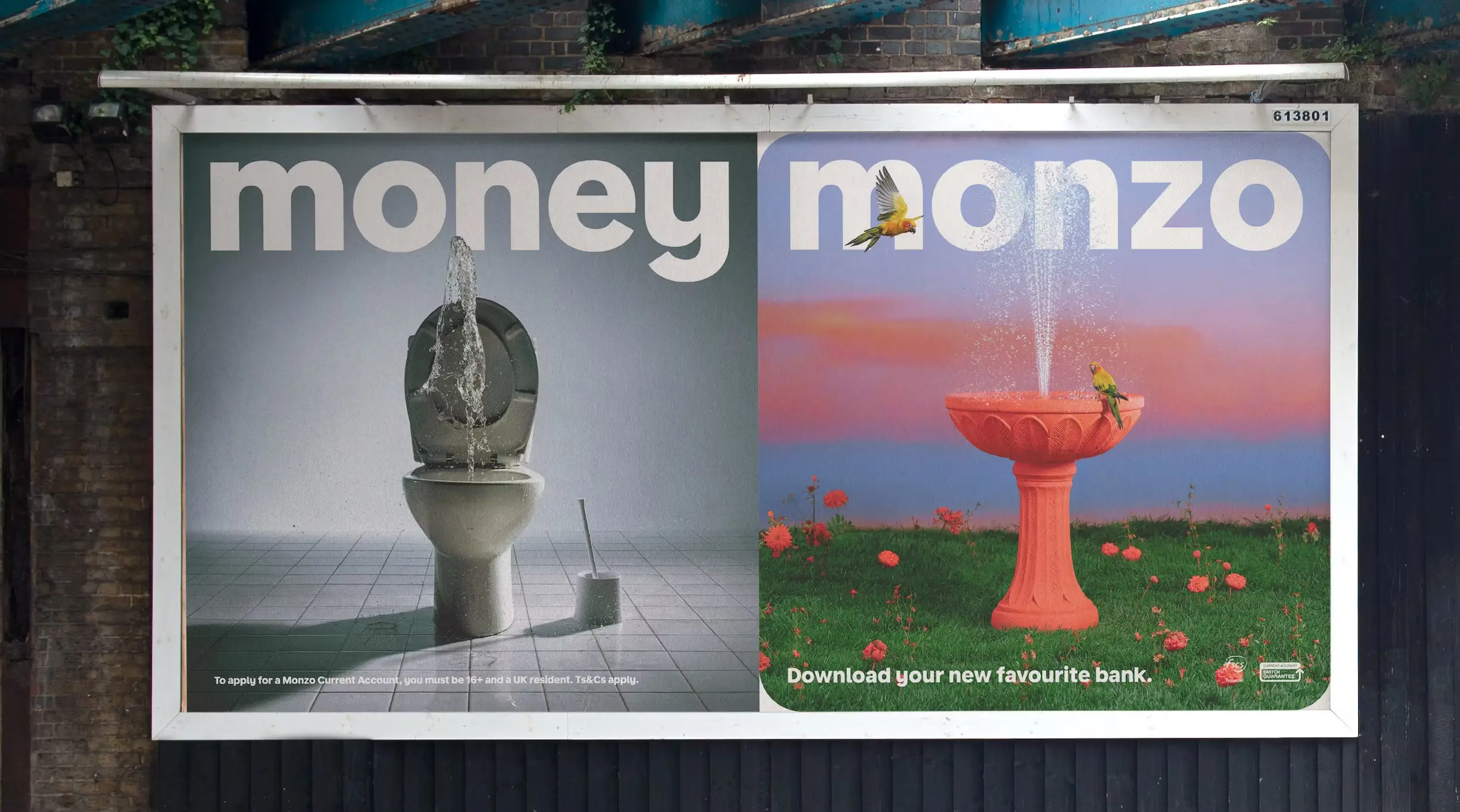
It’s no coincidence that brands like Dyson or Monzo were able to build a narrative around technology that can’t be easily replicated. Or that Tinder doesn’t just sell a “dating app,” but a habitual swipe gesture that’s permanently embedded in culture.
I still admire the Tony's Chocolonely case - a brand that talks about slavery in the chocolate industry through colorful packaging and Willy Wonka-style storytelling. It’s a brand that knows what “the inconvenient truth” is and knows how to turn it into a compelling narrative.
We love brands that break the mold. Take DAWTONA, for example. For years, it was associated with old-school branding and "PRL-era" products. But the latest packaging and storytelling change - instead of forcing modernity, Dawtona embraced quality, locality, and pride in tradition. The result? An authentic brand, not one that’s “modernized for the sake of it.”
.webp)
.webp)
Does it work? it depends
The 2024 Jaguar rebranding was bold, but it was so disconnected from the context of the automotive industry that it confused the audience. Sometimes it’s worth stepping out of the convention, but not always. The 2024 Jaguar rebranding was bold, but it was so disconnected from the context of the automotive industry that it confused the audience.

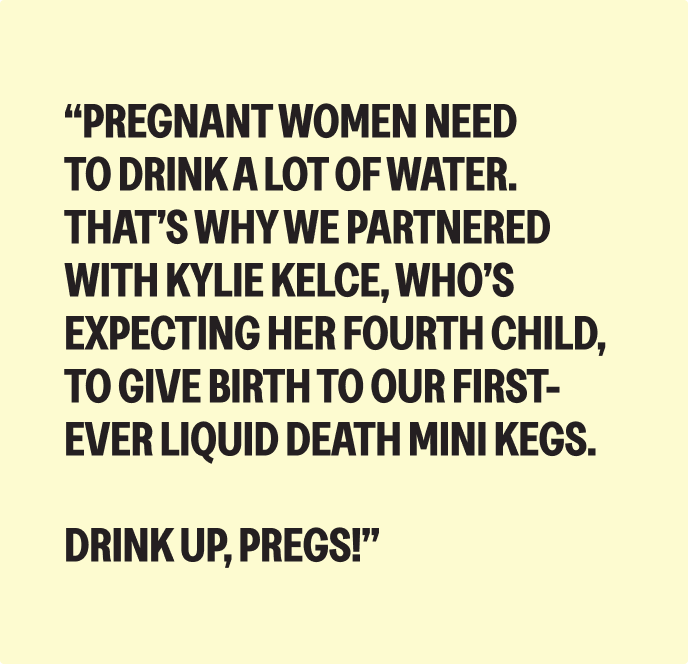
On the other hand, Liquid Death does everything "the opposite way," but their communication is a system - it’s not chaos, it’s a distinct cultural code.

Recommendations
Start with the truth. What’s truly valuable in your offering?
Build emotion. Not what you do, but how your customer feels about it.
Design a system, not just graphics. Your brand must live in TikTok, UX, customer service, and the founders' presentation.
Test reactions, not preferences. Emotional reception is more important than “Do I like it?”
Focus on meaning. Branding shouldn’t be decoration. It should help you do less, but better.
- Instead of searching for "something different," start with “what’s unique about you?”
- Instead of benchmarks, ask yourself: what do I want people to feel when they see my brand?
- Instead of correctness, add a touch of risk. In design, copy, even in the channel of delivery.
- Instead of thinking quarterly, dare to think long-term.
Summary
There’s no one formula for standing out. But there is one rule: be honest. Instead of chasing trends, create a language that is yours. Design isn’t a slideshow. It’s a tool for creating meaning. And in an age of excess, only meaning stays in the mind.
Want to discuss? Have doubts? Write to us. We don’t have to think the same, but we can think deeper.